
If you find yourself struggling with shopping for clothes that fit your style and that you actually want to wear, you’re not alone. Many people experience buyer's remorse after purchasing clothing that ultimately sits in their closet unworn. In this post, we’ll explore key tips to help you shop smarter and curate a wardrobe full of pieces you love.
Understanding the Price-Quality Ratio
One of the first things to consider when shopping is the price-quality ratio. For instance, if you buy a t-shirt for five dollars, it’s unrealistic to expect the same quality as a fifty or a hundred dollar t-shirt. There’s a threshold where the price no longer reflects a proportionate increase in quality.
For example, a five hundred dollar t-shirt won’t be five times better than a five dollar one. Often, you’re paying for branding, marketing, and the heritage of the brand rather than tangible quality.
To assess the quality of a piece, consider the following:
- Fabric: What is the fabric made of? Natural fabrics tend to be more durable and often come with a higher price tag.
- Substance: Does the fabric have weight and structure? Hold it in your hands to gauge its quality.
- Details: Check seams, buttons, and overall construction. Are the seams straight? Are there loose threads?
Fit is Key
Even if you find a quality piece, if it doesn’t fit well, you won’t wear it. Pay attention to how a piece fits your body shape. It’s worth it to try different sizes and styles to see what works best for you. Sometimes it might mean ordering multiple sizes when shopping online.

Investing in tailoring can make a significant difference. Rather than buying multiple items that fit just okay, purchase a few high-quality pieces and get them tailored to your unique shape. A well-fitting garment can boost your confidence and make you feel great.
Test the Fit
When trying on clothes, especially in-store, take the time to walk around, sit, and bend to ensure the fit is right. You want to make sure that the garment is comfortable and doesn’t require special undergarments unless it’s occasion wear.
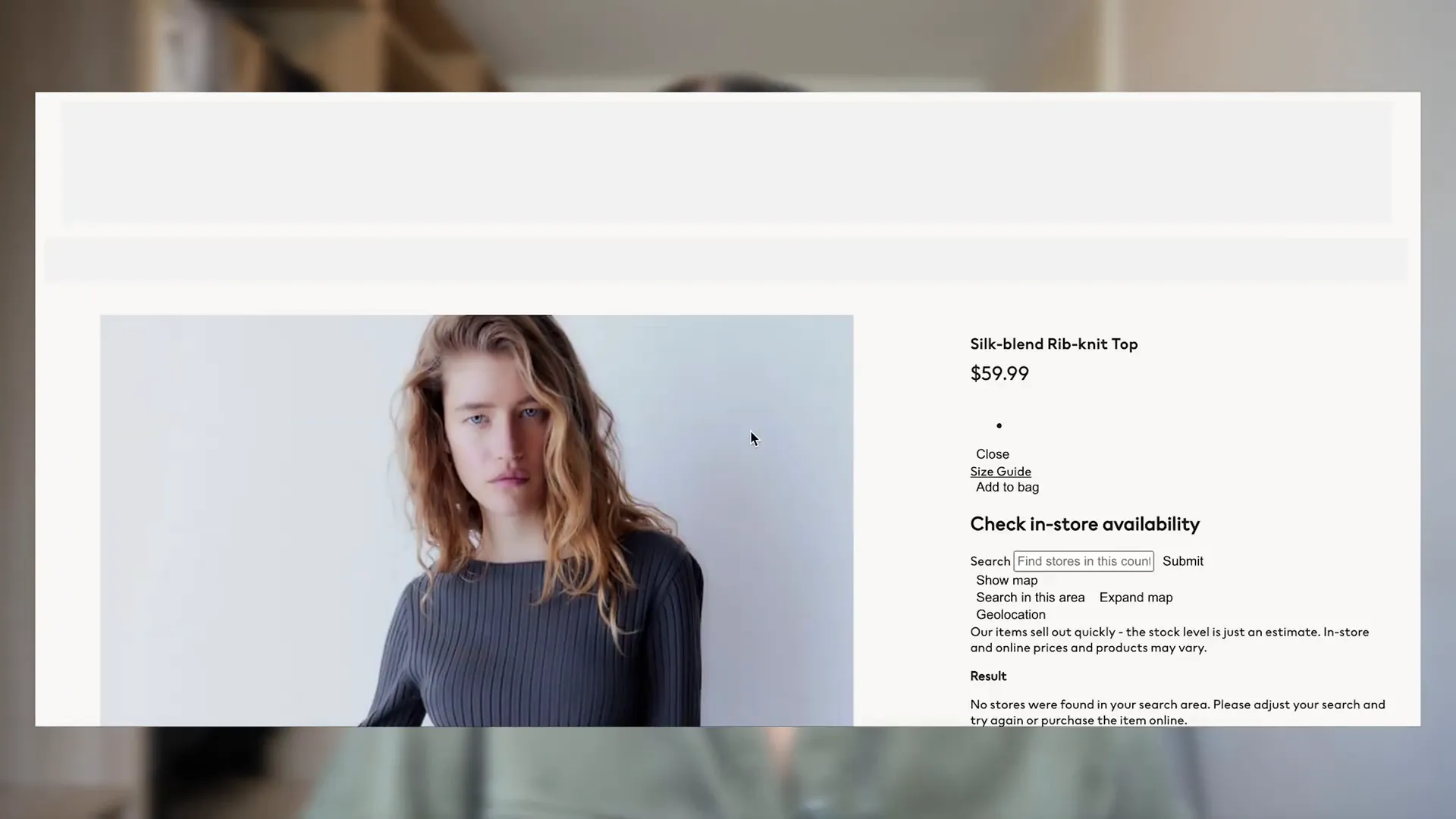
For online shopping, check the sizing charts and read reviews to gather insights on fit and quality. Websites often display the size the model is wearing, which can help you gauge how the item might fit you.
Creating a Wishlist
Before heading out to shop, take a moment to figure out what you actually want. Creating a wishlist can streamline your shopping experience, making it more focused and intentional.
Consider spending a day doing some window shopping. This allows you to gather inspiration without the pressure to buy. Observe styles that catch your eye, and don’t hesitate to feel the fabrics and learn about the brands.

Gathering Information
While window shopping, try on different pieces, even if you’re not planning to buy them. This helps you understand your preferences and what fits well. You might discover styles that look great on others but not on you, which is valuable knowledge for future shopping.
Online, browse through new arrivals or trending items. Add pieces to your cart without the intention to buy immediately. This allows you to assess your choices later and make more thoughtful decisions.
Evaluate Before You Purchase
After you’ve gathered your wishlist, take a moment to evaluate each item. Ask yourself:
- Will this piece work with at least three items I already own?
- Can I style it in multiple ways?
- Does it fit into my overall wardrobe aesthetic?
This process encourages you to think about how each new piece will integrate into your existing collection, minimizing the chances of impulse buys.
Breaking the Cycle of Impulse Buying
Many of us have experienced the regret of impulse purchases that don’t align with our style. By following these tips and taking a more strategic approach to shopping, you can build a wardrobe that you love and that suits your lifestyle.
Feel free to take your time when shopping. It’s not just about filling your closet; it’s about curating a collection of pieces that you genuinely enjoy wearing.
Conclusion
Shopping doesn’t have to be a chore filled with regret. By understanding the price-quality ratio, ensuring the right fit, and being strategic with your purchases, you can create a wardrobe full of clothing you love. Remember, it’s all about quality over quantity. Happy shopping!


 Posts
Posts


0 Comments